- You have no items in your shopping cart
- Subtotal: ৳ 0.00

Introduction to Vapor Mitigation in Texas
Vapor mitigation in Texas has become an essential part of environmental safety and commercial property development. As industrial activities, fuel storage facilities, dry cleaners, and manufacturing operations continue to expand across the state, concerns about soil vapor intrusion are increasing. Property owners, developers, environmental consultants, and businesses are now focusing on effective vapor mitigation systems to protect human health and comply with environmental regulations. Texas has a strong industrial background, especially in cities like Houston, Dallas, Austin, San Antonio, and Midland. Because of this, many sites may contain volatile organic compounds (VOCs) and other contaminants beneath the ground surface. These harmful vapors can migrate into buildings through cracks in foundations, utility openings, and crawl spaces, creating serious indoor air quality issues.
Proper vapor mitigation solutions help reduce these risks and ensure safer environments for residential, commercial, and industrial properties.
What Is Vapor Mitigation?
Vapor mitigation is the process of preventing harmful chemical vapors from entering indoor spaces from contaminated soil or groundwater beneath a building. These vapors often originate from petroleum products, industrial solvents, or chemical spills that have seeped into the subsurface over time. When these contaminants evaporate, they can travel upward through the soil and enter structures. This process is known as vapor intrusion. Without proper mitigation, occupants may be exposed to unhealthy air conditions for extended periods.
Common contaminants involved in vapor intrusion include:
- Benzene
- Toluene
- Trichloroethylene (TCE)
- Perchloroethylene (PCE)
- Methane
- Petroleum hydrocarbons
Vapor mitigation systems are designed to stop or redirect these vapors before they affect indoor air quality.
Why Vapor Mitigation Is Important in Texas
Texas has a large number of industrial and commercial properties, many of which were developed decades ago under older environmental standards. Former gas stations, refineries, chemical plants, warehouses, and manufacturing facilities may still have underground contamination issues. The hot climate in Texas can also contribute to vapor movement. High temperatures may increase the evaporation rate of contaminants, making vapor intrusion concerns more significant in some regions.
Key reasons vapor mitigation is important in Texas include:
Protection of Human Health
Exposure to hazardous vapors can cause respiratory problems, headaches, dizziness, and long-term health risks. Some chemicals linked to vapor intrusion are known carcinogens.
Regulatory Compliance
Environmental agencies require property owners and developers to address contamination risks before construction or redevelopment. Vapor mitigation systems help meet compliance requirements and avoid legal issues.
Safe Property Redevelopment
Brownfield redevelopment projects are growing throughout Texas. Vapor mitigation Texas allows contaminated sites to be safely reused for offices, retail centers, residential buildings, and mixed-use developments.
Increased Property Value
Buildings equipped with proper mitigation systems are often more attractive to buyers, investors, and tenants because they reduce environmental liability concerns.
Common Vapor Mitigation Methods
Several vapor mitigation techniques are used depending on the site conditions, contamination levels, and building type. Environmental engineers typically perform testing and risk assessments before selecting the best approach.
Sub-Slab Depressurization Systems
This is one of the most common vapor mitigation methods in Texas. A network of pipes and fans is installed beneath the building slab to create negative pressure. This prevents vapors from entering indoor spaces by redirecting them safely outside. Sub-slab depressurization systems are highly effective for commercial and residential properties.
Vapor Barriers
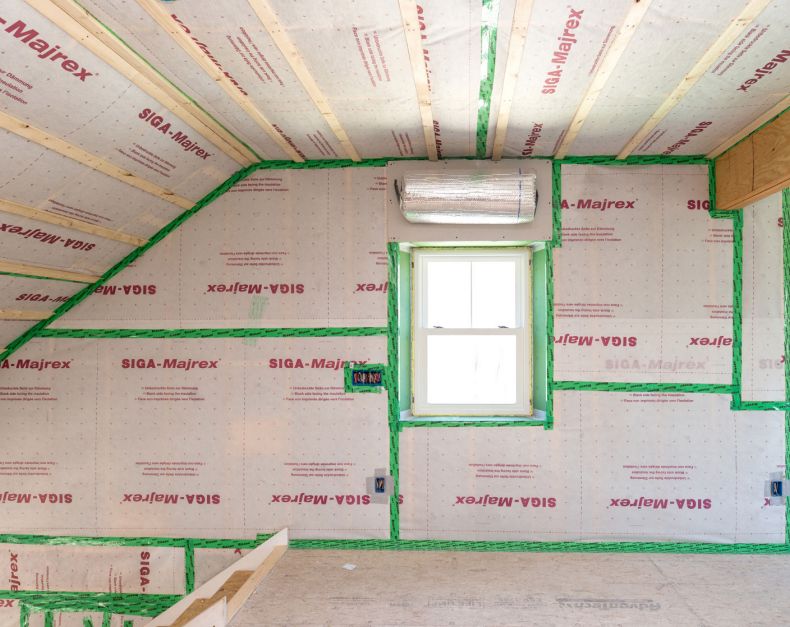
Vapor barriers are specialized membranes installed beneath concrete slabs during construction. These barriers block vapors from passing through the foundation and entering the building.
They are commonly used in new construction projects and redevelopment sites.
Passive Venting Systems
Passive systems rely on natural airflow and pressure differences to vent harmful vapors away from structures. These systems require less maintenance and energy compared to active systems.
Passive mitigation is often suitable for lower-risk sites.
Active Vapor Extraction
Active extraction systems use mechanical equipment to remove contaminated vapors directly from the soil. These systems are commonly used in heavily contaminated industrial areas.
Indoor Air Treatment Systems
In some cases, indoor air purification systems may be added to improve air quality while other remediation measures are implemented.
Industries That Require Vapor Mitigation in Texas
Many industries across Texas depend on vapor mitigation solutions to maintain environmental safety and regulatory compliance.
Oil and Gas Facilities
Texas is a major center for oil and gas production. Fuel storage tanks, pipelines, and refineries may contribute to subsurface contamination that requires mitigation.
Commercial Real Estate Development
Developers often encounter contaminated properties during urban redevelopment projects. Vapor mitigation systems help transform former industrial land into usable commercial spaces.
Manufacturing Plants
Chemical manufacturing and industrial processing operations can release contaminants into the soil over time. Proper mitigation protects workers and nearby communities.
Healthcare and Educational Facilities
Schools, hospitals, and healthcare centers require high indoor air quality standards. Vapor mitigation ensures safe environments for occupants.
Residential Construction
Homes built near former industrial sites or fuel stations may require vapor mitigation systems to reduce health risks.
Vapor Intrusion Assessment Process
Before installing a vapor mitigation system, environmental professionals conduct detailed site assessments to determine contamination levels and intrusion risks.
Site Investigation
Environmental consultants review the property history and identify potential contamination sources.
Soil and Groundwater Testing
Samples are collected and analyzed to detect hazardous chemicals beneath the site.
Indoor Air Sampling
Indoor air quality tests help determine whether vapors are already affecting building occupants.
Risk Evaluation
Experts assess the likelihood of vapor intrusion and recommend appropriate mitigation strategies.
System Design and Installation
Based on the findings, engineers design customized mitigation systems tailored to the property.
Regulations and Environmental Standards in Texas
Vapor mitigation projects in Texas must comply with federal and state environmental guidelines. Regulatory oversight often involves agencies responsible for environmental protection and public health.
Property owners may need to meet standards related to:
- Indoor air quality
- Soil contamination
- Groundwater protection
- Occupational safety
- Environmental remediation
Proper documentation, monitoring, and maintenance are also important parts of compliance.
Choosing the Right Vapor Mitigation Company in Texas
Selecting an experienced vapor mitigation contractor is critical for successful results. Companies with expertise in environmental engineering, remediation, and indoor air quality management can provide reliable long-term solutions.
When choosing a vapor mitigation company in Texas, consider the following:
Industry Experience
Look for contractors with proven experience handling commercial, industrial, and residential mitigation projects.
Technical Expertise
Qualified professionals should understand environmental regulations, soil science, and building engineering.
Customized Solutions
Every site is different. Reliable companies design systems based on the specific contamination conditions and property layout.
Monitoring and Maintenance
Long-term system performance is important. Choose providers that offer ongoing monitoring and maintenance services.
Strong Safety Standards
Professional contractors prioritize safety during installation and remediation activities.
Benefits of Professional Vapor Mitigation Services
Working with experienced environmental professionals provides several advantages:
- Improved indoor air quality
- Reduced health risks
- Regulatory compliance support
- Enhanced property safety
- Better long-term property value
- Lower environmental liability
Professional systems are also designed for durability and efficiency, helping property owners avoid costly future problems.
Future of Vapor Mitigation in Texas
As environmental awareness continues to grow, demand for vapor mitigation services in Texas is expected to increase. More redevelopment projects, stricter environmental standards, and growing public health concerns are driving investment in advanced mitigation technologies. Modern vapor mitigation systems now include improved monitoring tools, energy-efficient ventilation systems, and durable vapor barrier materials. These innovations help property owners achieve safer and more sustainable buildings. Texas businesses and developers are increasingly recognizing the importance of proactive environmental management. Vapor mitigation is no longer viewed as an optional measure but as a critical part of responsible property development and environmental protection.
Conclusion
Vapor mitigation in Texas plays a vital role in protecting indoor air quality, supporting safe redevelopment, and ensuring environmental compliance. With the state’s strong industrial presence and growing urban development, addressing vapor intrusion risks has become increasingly important. From sub-slab depressurization systems to vapor barriers and active soil vapor extraction, effective mitigation solutions help prevent harmful contaminants from entering buildings. Property owners, developers, and businesses that invest in professional vapor mitigation services can improve safety, protect human health, and increase long-term property value.