
- You have no items in your shopping cart
- Subtotal: ৳ 0.00
 meh.riztech
Posted on
meh.riztech
Posted on
Paver patios and driveways are a popular choice in Chagrin Falls, Ohio, thanks to their durability and timeless look. However, the region’s seasonal changes—especially freezing winters and humid summers—can gradually wear down even the best installations. Over time, homeowners notice fading color, uneven surfaces, weed growth, and joint erosion. These issues not only affect appearance but can also lead to long-term structural problems.
If you’re searching for reliable guidance on paver restoration near chagrin falls ohio, it’s important to understand that restoration goes beyond simple cleaning. It’s a multi-step process that restores both the function and beauty of your outdoor space. In this guide, you’ll learn how professional restoration works, what challenges to watch for, and how to maintain your pavers for years to come.
Understanding Paver Restoration and Why It Matters
Paver restoration is the process of cleaning, repairing, re-leveling, sanding, and sealing paver surfaces. Unlike replacement, restoration focuses on bringing your existing installation back to life. This approach is often more cost-effective and environmentally friendly.
In areas like Chagrin Falls, freeze-thaw cycles are the biggest threat to pavers. Water seeps into joints, freezes, and expands. Over time, this leads to shifting, cracking, and joint sand loss. Add to that moss and algae growth from moisture, and you have a surface that becomes both unattractive and potentially unsafe.
Restoration addresses these problems in a systematic way:
- Deep cleaning removes dirt, stains, and organic growth
- Re-leveling corrects sunken or uneven pavers
- Joint sanding stabilizes the structure
- Sealing protects against future damage
A properly restored paver surface can look nearly new and last for many more years with minimal upkeep.
Step-by-Step Process of Paver Restoration
Restoring pavers is not a one-step job. Each stage plays a crucial role in achieving lasting results.
1. Inspection and Assessment
Every restoration begins with a thorough inspection. Professionals look for:
- Sunken or uneven areas
- Weed and moss growth
- Oil or rust stains
- Joint sand erosion
This step helps determine the scope of work and ensures that underlying issues are addressed rather than masked.
2. Deep Cleaning
High-pressure washing is used to remove dirt, algae, and stains. However, this isn’t just about blasting water. Experienced technicians adjust pressure levels to avoid damaging the pavers or removing too much joint material.
For example, oil stains on driveways may require specialized cleaners, while shaded patios often need treatments for moss and mildew.
3. Repairs and Re-Leveling
If certain areas have sunk or shifted, those pavers are carefully removed. The base is then re-compacted and leveled before reinstalling the pavers.
This step is critical. Simply cleaning uneven pavers will not fix drainage issues or prevent future movement.
4. Joint Sand Replacement
Once the surface is clean and dry, new joint sand is applied. Many professionals use polymeric sand, which hardens when activated with water. This helps:
- Prevent weed growth
- Improve stability
- Reduce erosion
In Chagrin Falls, where heavy rain and snow are common, high-quality joint sand is essential.
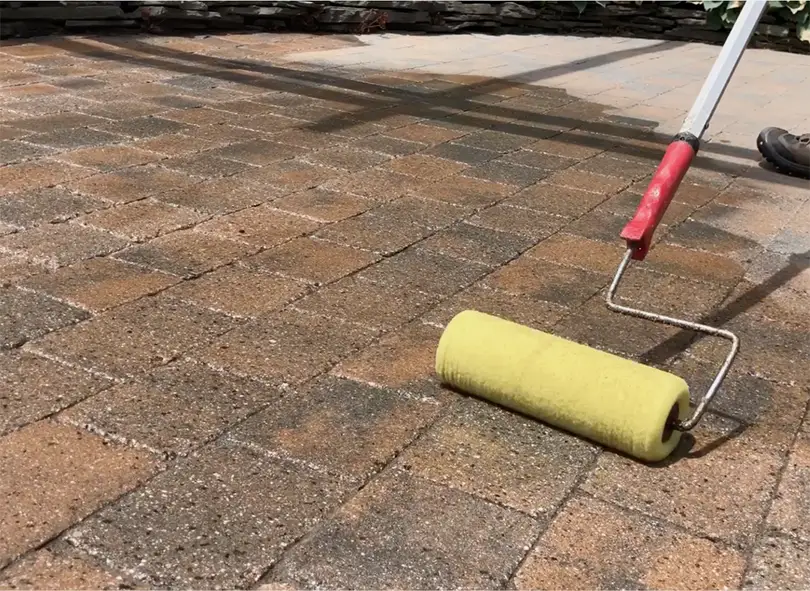
5. Sealing the Surface
Sealing is the final step and often the most overlooked by homeowners. A good sealer enhances color, adds a protective layer, and reduces water penetration.
There are two main types:
- Matte sealers for a natural look
- Gloss sealers for enhanced color and shine
Sealing also makes future cleaning easier and extends the lifespan of the restoration work.
Common Challenges in Paver Restoration
Even with the right approach, certain challenges can arise during restoration projects. Understanding these can help you avoid costly mistakes.
Weather Conditions
Timing matters. Restoration should be done during dry weather with moderate temperatures. Sealing in humid or rainy conditions can lead to poor adhesion and cloudy finishes.
Deep Stains
Some stains, like rust or grease, may not fully disappear with standard cleaning. These require specialized treatments and, in some cases, partial paver replacement.
Poor Base Installation
If the original installation had a weak or uneven base, restoration may only provide temporary results unless the base is corrected.
Overuse of Pressure Washing
Too much pressure can damage the surface and remove essential joint material. This is a common issue with DIY attempts.
Practical Tips for Long-Lasting Results
Maintaining your pavers after restoration is just as important as the restoration itself. Here are expert-backed tips to keep your surfaces in top condition.
Regular Cleaning
Sweep your pavers weekly to remove debris. This prevents dirt from settling into joints and reduces weed growth.
Address Weeds Early
If you notice weeds starting to grow, remove them immediately. Waiting too long allows roots to spread and weaken the joint structure.
Reseal Every Few Years
Sealers wear down over time, especially in areas with heavy foot traffic or harsh weather. Plan to reseal every 2–3 years for optimal protection.
Manage Drainage
Ensure water flows away from your paver surface. Poor drainage is a leading cause of shifting and erosion.
Avoid Harsh Chemicals
De-icing salts and strong chemicals can damage both the pavers and the joint sand. Use paver-safe products during winter.
Expert Recommendations from Real-World Experience
From working on numerous restoration projects in climates similar to Ohio, one key insight stands out: prevention is always cheaper than repair.
For instance, a homeowner who reseals their patio regularly may spend a few hundred dollars every few years. In contrast, neglecting maintenance can lead to full restoration costs that are significantly higher.
Another practical example involves driveways. Oil stains from vehicles are common, but they become much harder to remove over time. Cleaning spills quickly can prevent permanent discoloration.
It’s also worth noting that not all pavers are the same. Concrete pavers are more porous and benefit greatly from sealing, while natural stone may require different treatments. Understanding your material helps you choose the right maintenance approach.
Finally, working with experienced professionals ensures that each step—from cleaning to sealing—is done correctly. This not only improves results but also extends the lifespan of your investment.
Conclusion
Paver restoration in Chagrin Falls, Ohio, is more than a cosmetic upgrade—it’s a necessary step to protect and extend the life of your outdoor surfaces. With changing weather conditions and natural wear, even high-quality pavers need attention over time.
By understanding the restoration process, avoiding common mistakes, and following practical maintenance tips, you can keep your patio, driveway, or walkway looking its best for years. Whether you’re dealing with fading color, uneven surfaces, or persistent weeds, a well-executed restoration can make a dramatic difference.
In the end, consistent care and informed decisions are the keys to preserving both the beauty and functionality of your paver surfaces.

