
- You have no items in your shopping cart
- Subtotal: ৳ 0.00
 meh.riztech
Posted on
meh.riztech
Posted on
In modern construction, manufacturing, and DIY projects, structural efficiency often depends on the smallest components. One such critical element is tube connectors. Whether you’re building a modular frame, assembling industrial equipment, or creating custom furniture, the right connector determines strength, stability, and long-term performance.
Many professionals underestimate how much time and cost can be saved by choosing the correct connection system from the start. Poorly selected connectors can lead to weak joints, alignment issues, or even structural failure. On the other hand, well-matched connectors streamline assembly, reduce labor, and ensure durability.
If you’re exploring reliable solutions, understanding the role of tube connectors in real-world applications can help you make informed decisions without overcomplicating your project.
What Are Tube Connectors and Why Do They Matter?
Tube connectors are mechanical components used to join tubes or pipes without welding. They are widely used in industries such as manufacturing, construction, automation, and even retail display systems.
At their core, tube connectors serve three main purposes:
- Structural support – They hold frameworks together securely
- Flexibility – They allow easy adjustments and modifications
- Efficiency – They simplify assembly and reduce the need for specialized tools
Types of Tube Connectors
Understanding the different types helps you choose the right one for your project:
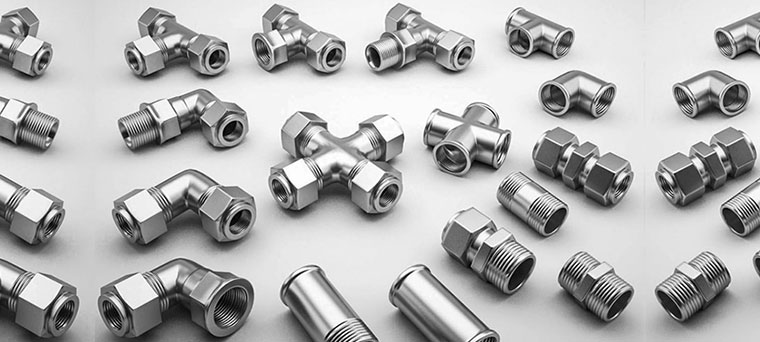
- Angle connectors – Ideal for creating corners and frames
- T-connectors – Used for branching structures
- Cross connectors – Suitable for multi-directional frameworks
- Swivel connectors – Provide adjustable angles for dynamic setups
- Base connectors – Anchor structures to surfaces
Each type serves a specific function, and using the wrong one can compromise the entire system.
Common Materials
Tube connectors are typically made from:
- Aluminum (lightweight and corrosion-resistant)
- Steel (strong and durable for heavy-duty use)
- Plastic or composite (cost-effective for light applications)
The choice of material depends on load requirements, environment, and budget.
Step-by-Step Guide to Choosing the Right Tube Connectors
Selecting tube connectors isn’t just about picking a shape. It involves a systematic approach to ensure compatibility and performance.
Step 1: Define Your Application
Start by identifying the purpose of your structure.
For example:
- A warehouse rack requires high load capacity
- A display frame prioritizes aesthetics and flexibility
- A DIY furniture project needs balance between strength and ease
Clarity at this stage prevents costly mistakes later.
Step 2: Measure Tube Dimensions Accurately
Tube connectors must match the outer diameter of the tubes precisely.
Even a small mismatch can lead to:
- Loose joints
- Structural instability
- Assembly delays
Always double-check measurements before purchasing.
Step 3: Evaluate Load Requirements
Consider both static and dynamic loads.
- Static load: Weight that remains constant
- Dynamic load: Movement, vibration, or shifting forces
For instance, industrial machinery frames need connectors that can handle vibration, while shelving units mainly deal with static weight.
Step 4: Choose the Right Material
Match the connector material to your environment:
- Outdoor use → corrosion-resistant materials like aluminum
- Heavy-duty applications → steel connectors
- Lightweight setups → plastic or composite
Step 5: Consider Assembly and Adjustability
Some connectors require tools, while others offer tool-free assembly.
If your project involves frequent changes, choose connectors that allow easy disassembly and repositioning.
Step 6: Plan for Future Modifications
A smart setup allows scalability.
For example:
- Adding extra sections to a framework
- Adjusting height or width
- Reconfiguring layouts
Modular connectors make these changes simple and cost-effective.
Common Mistakes to Avoid
Even experienced professionals make errors when working with tube connectors. Being aware of these pitfalls can save time and resources.
Ignoring Load Limits
One of the biggest mistakes is underestimating load requirements. Using connectors that cannot handle the weight leads to structural failure over time.
Mixing Incompatible Systems
Not all connectors are universal. Mixing brands or systems can result in poor fit and weak joints.
Always ensure compatibility between tubes and connectors.
Over-Tightening Fasteners
Applying excessive force during installation can damage connectors or deform tubes.
This reduces the lifespan of the entire structure.
Skipping Proper Alignment
Misaligned connectors create uneven stress distribution. Over time, this weakens the structure and increases the risk of failure.
Take the time to align everything correctly during assembly.
Choosing Price Over Quality
While budget matters, extremely cheap connectors often compromise on material quality and durability.
Investing in reliable components reduces long-term maintenance costs.
Practical Tips and Expert Recommendations
Drawing from real-world experience, here are actionable tips to improve your results when working with tube connectors.
Start with a Simple Design
Complex designs increase the chances of errors.
Begin with a basic layout and refine it as needed. This approach ensures stability and makes troubleshooting easier.
Use Modular Systems
Modular connectors allow flexibility.
For example:
- Expanding a storage system
- Adjusting workstation layouts
- Modifying retail displays
This adaptability is especially valuable in dynamic environments.
Test Before Final Assembly
Before tightening everything permanently:
- Assemble the structure loosely
- Check alignment and stability
- Make necessary adjustments
This step prevents rework and saves time.
Keep Spare Connectors
Unexpected changes happen during projects.
Having extra connectors on hand ensures you can adapt quickly without delays.
Prioritize Safety
In industrial or load-bearing applications:
- Double-check all joints
- Use appropriate fasteners
- Follow safety standards
A small oversight can lead to serious consequences.
Learn from Real Use Cases
Consider a manufacturing setup where adjustable frames are required for different product sizes.
Using swivel and modular connectors allows workers to reconfigure the setup quickly. This reduces downtime and increases efficiency.
Similarly, in retail environments, tube connectors enable easy redesign of display units to match seasonal layouts.
These examples highlight how the right connectors improve both functionality and productivity.
Conclusion
Tube connectors play a vital role in creating strong, flexible, and efficient structures across various industries. While they may seem like small components, their impact on performance and durability is significant.
By understanding different types, selecting the right materials, and following a structured approach, you can avoid common mistakes and build reliable systems. Practical planning, attention to detail, and a focus on quality ensure long-term success in any project.
Whether you’re working on an industrial framework or a simple DIY build, the right tube connectors make all the difference.

