
- You have no items in your shopping cart
- Subtotal: ৳ 0.00
 meh.riztech
Posted on
meh.riztech
Posted on
Expansion joints play a critical role in protecting pipelines, HVAC systems, and industrial infrastructure from stress, vibration, and thermal movement. Yet many project failures can be traced back to poor material selection or unreliable suppliers. Choosing the right expansion joint manufacturers is not just a procurement decision—it directly impacts system safety, durability, and maintenance costs.
When engineers and contractors evaluate suppliers, they often focus on price first. However, real-world experience shows that performance, customization capability, and compliance matter far more over time. If you’re exploring reliable expansion joint manufacturers, reviewing technical capabilities and product standards—such as those outlined by expansion joint manufacturers—can provide helpful context for understanding what differentiates high-quality solutions from average ones.
Understanding Expansion Joint Manufacturing
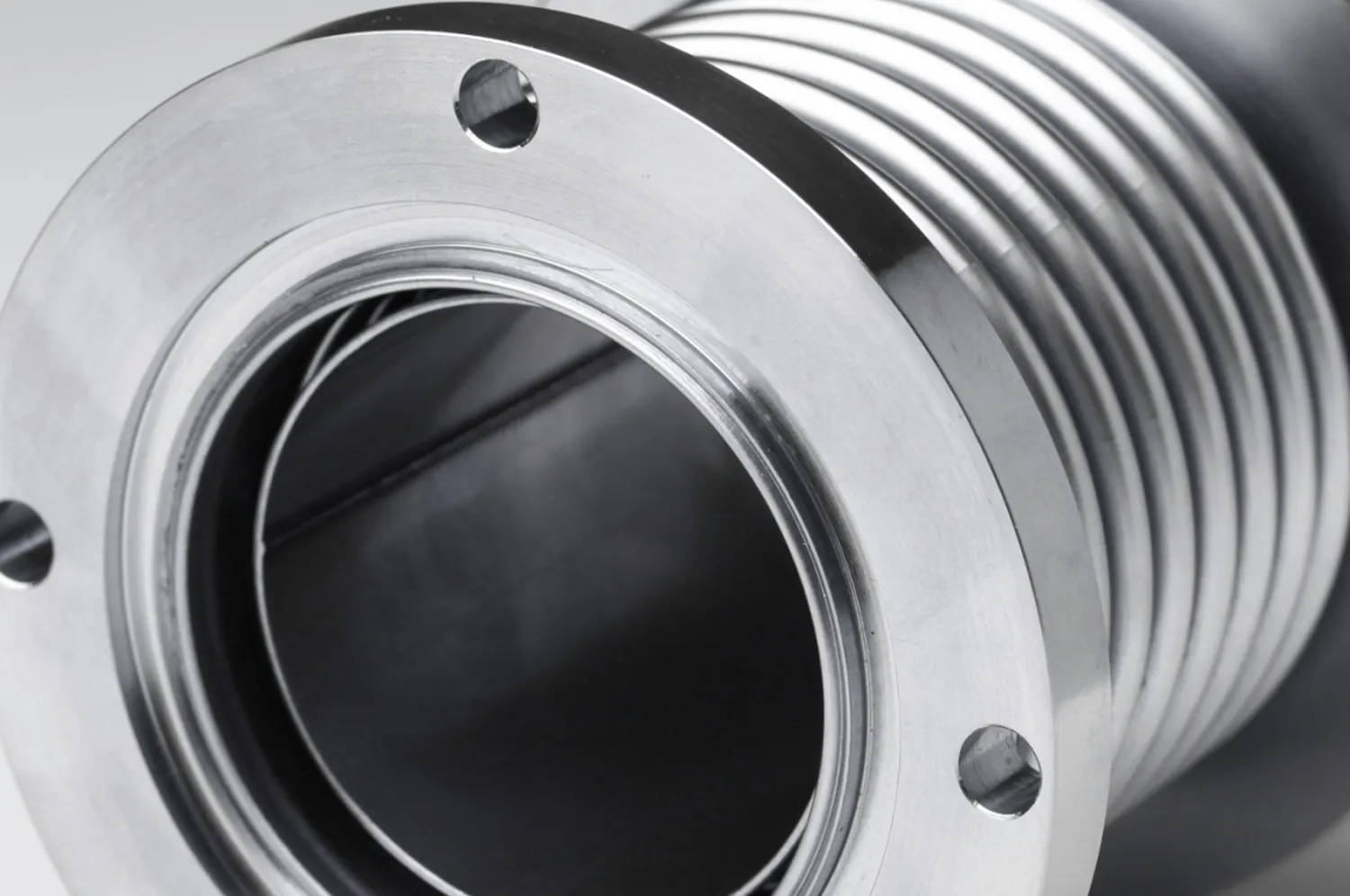
Expansion joints are flexible connectors designed to absorb movement caused by thermal expansion, vibration, or pressure fluctuations. They are commonly used in industries like oil and gas, power generation, chemical processing, and commercial construction.
Manufacturers typically produce several types of expansion joints, including:
- Metal expansion joints – Ideal for high-temperature and high-pressure environments
- Rubber expansion joints – Common in water systems and HVAC applications
- Fabric expansion joints – Used in ducting systems with large movements
What sets manufacturers apart is not just the product type but how well they engineer these solutions. Experienced manufacturers conduct stress analysis, fatigue testing, and lifecycle simulations to ensure durability under real-world conditions.
In one industrial case, a poorly designed metal expansion joint failed within six months due to thermal fatigue. After switching to a manufacturer that offered detailed engineering validation, the replacement joint lasted over five years without issues. This highlights how expertise matters more than initial cost.
How to Evaluate Expansion Joint Manufacturers
Selecting the right manufacturer requires a structured approach. Here is a practical step-by-step strategy used by engineers and procurement teams.
Step 1: Assess Technical Capabilities
Start by reviewing the manufacturer’s engineering strength. Look for:
- In-house design and testing facilities
- Compliance with standards like EJMA (Expansion Joint Manufacturers Association)
- Ability to customize products for specific applications
A manufacturer with strong technical capabilities can recommend the right materials and configurations based on your operating conditions.
Step 2: Verify Material Quality
Material selection directly affects performance. High-quality manufacturers use:
- Stainless steel alloys for corrosion resistance
- Reinforced elastomers for flexibility
- Multi-layer constructions for durability
Ask for material certifications and test reports. This ensures transparency and reduces risk.
Step 3: Review Industry Experience
Experience in your specific industry is crucial. For example:
- Power plants require high-temperature resistance
- Chemical plants need corrosion-resistant designs
- HVAC systems demand vibration absorption
Manufacturers familiar with your sector can anticipate challenges and provide better solutions.
Step 4: Evaluate Customization Options
Standard products rarely fit complex systems perfectly. A reliable manufacturer should offer:
- Custom sizes and configurations
- Tailored movement capabilities
- Application-specific designs
Customization reduces installation issues and improves performance.
Step 5: Check Quality Assurance Processes
Quality control is often the difference between success and failure. Look for:
- Hydrostatic and pressure testing
- Non-destructive testing methods
- Documentation and traceability
A robust quality system ensures consistent product performance.
Step 6: Consider Lead Time and Support
Timely delivery and after-sales support are essential, especially for large projects. Choose manufacturers that provide:
- Reliable production timelines
- Technical support during installation
- Maintenance guidance
In one construction project, delays in expansion joint delivery caused a two-week shutdown. Working with a manufacturer that offers dependable timelines can prevent such costly disruptions.
Common Challenges When Working with Manufacturers
Even experienced professionals encounter issues when sourcing expansion joints. Understanding these challenges can help you avoid costly mistakes.
Misalignment Between Design and Application
One of the most common problems is selecting a joint that does not match actual operating conditions. This can lead to premature failure.
Overlooking Movement Requirements
Expansion joints must handle axial, lateral, and angular movements. Underestimating these factors can result in stress buildup and system damage.
Ignoring Installation Constraints
Some joints require specific installation procedures. Failing to follow these guidelines can reduce effectiveness and lifespan.
Focusing Only on Cost
Choosing the cheapest option often leads to higher maintenance costs and frequent replacements. Long-term performance should always take priority.
Expert Tips for Choosing the Right Manufacturer
Based on industry experience, here are practical recommendations to help you make better decisions.
Prioritize Engineering Support
Work with manufacturers that offer consultation during the design phase. Their input can prevent costly redesigns later.
Request Real-World Case Studies
Case studies provide insight into how products perform in actual conditions. They also demonstrate the manufacturer’s expertise.
Conduct Site-Specific Analysis
Every system is different. Share detailed operating conditions with the manufacturer to ensure accurate product selection.
Plan for Maintenance
Choose expansion joints that are easy to inspect and maintain. This reduces downtime and operational costs.
Build Long-Term Relationships
Instead of switching suppliers frequently, build a relationship with a trusted manufacturer. This leads to better collaboration and consistent quality.
Practical Use Cases Across Industries
Understanding how expansion joints perform in real scenarios adds clarity to their importance.
- Oil and Gas Pipelines: Expansion joints absorb thermal expansion caused by temperature fluctuations, preventing pipeline rupture.
- Power Plants: High-temperature steam systems rely on metal expansion joints to handle extreme conditions.
- Commercial Buildings: HVAC systems use rubber joints to reduce vibration and noise.
- Chemical Plants: Corrosion-resistant joints ensure safety when handling aggressive chemicals.
In each case, the manufacturer’s expertise directly influences system reliability and safety.
Conclusion
Choosing the right expansion joint manufacturer is a critical decision that affects system performance, safety, and long-term costs. While price is an important factor, it should never outweigh engineering quality, material reliability, and technical support.
By following a structured evaluation process—assessing capabilities, verifying materials, and prioritizing customization—you can minimize risks and ensure optimal performance. Avoid common mistakes like ignoring movement requirements or focusing solely on cost.
Ultimately, the best manufacturers act as partners, not just suppliers. They provide guidance, customization, and support that help your systems operate efficiently for years to come. Investing time in selecting the right partner will always pay off in reduced downtime, improved safety, and long-term savings.

