
- You have no items in your shopping cart
- Subtotal: ৳ 0.00
 meh.riztech
Posted on
meh.riztech
Posted on
Industrial operations across Northeast Ohio depend heavily on reliable material handling systems. From steel fabrication shops to automotive plants, overhead cranes play a central role in lifting, moving, and positioning heavy loads safely. Businesses searching for overhead cranes near cleveland ohio are often dealing with production bottlenecks, safety concerns, or outdated lifting equipment that no longer meets modern demands.
The challenge is not just finding a crane—it’s choosing the right system for your workflow, facility layout, and long-term operational goals. With Cleveland’s strong manufacturing heritage, companies need solutions that can handle heavy-duty use, variable load requirements, and strict safety standards. This guide breaks down what matters most when selecting, installing, and maintaining overhead cranes in this region.
Understanding Overhead Cranes and Their Role
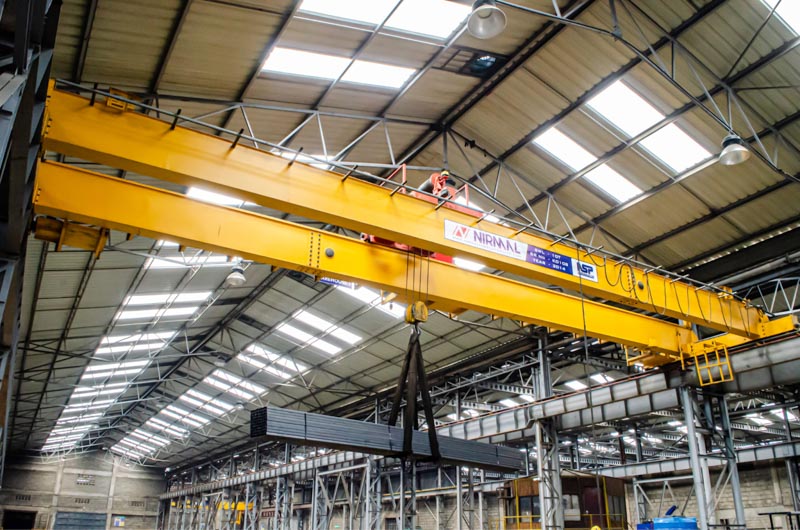
Overhead cranes are mechanical systems designed to lift and transport loads across a fixed area. They typically consist of a bridge, hoist, trolley, and runway system. These cranes are widely used in warehouses, manufacturing plants, and assembly lines where forklifts alone cannot efficiently handle heavy or repetitive lifting tasks.
In Cleveland’s industrial landscape, overhead cranes are commonly used in:
- Steel and metal fabrication facilities
- Automotive parts manufacturing
- Warehousing and logistics hubs
- Construction material handling
What makes overhead cranes essential is their ability to improve workflow efficiency while reducing manual labor risks. For example, a fabrication shop handling steel beams can move materials across the shop floor in seconds instead of relying on time-consuming manual processes.
There are several types of overhead cranes to consider:
- Bridge Cranes: Ideal for large facilities with heavy loads
- Gantry Cranes: Flexible systems often used outdoors or in shipyards
- Jib Cranes: Best for localized lifting tasks
- Monorail Cranes: Designed for linear movement along a fixed path
Choosing the right type depends on your facility layout and operational needs.
Step-by-Step Guide to Choosing the Right Overhead Crane
Selecting an overhead crane is a technical decision that requires careful planning. Below is a practical, step-by-step approach used by industry professionals.
Step 1: Assess Your Load Requirements
Start by identifying the maximum weight you need to lift. This includes not only the load but also any attachments or rigging equipment.
Example:
A manufacturing plant lifting engine blocks may require a 5-ton crane, while a steel mill might need 20 tons or more.
Always plan for future growth. Choosing a crane with slightly higher capacity can prevent costly upgrades later.
Step 2: Evaluate Your Facility Layout
Measure the dimensions of your workspace, including:
- Ceiling height
- Building width and length
- Obstructions like columns or machinery
Low headroom environments may require specialized crane designs. In older Cleveland facilities, this is a common challenge due to legacy infrastructure.
Step 3: Determine Usage Frequency
Not all cranes are built for continuous operation. Consider how often the crane will be used:
- Light duty: Occasional lifting
- Moderate duty: Regular daily use
- Heavy duty: Continuous industrial operation
Selecting the wrong duty cycle can lead to premature wear and unexpected downtime.
Step 4: Consider Power and Control Options
Modern overhead cranes offer various control systems:
- Pendant controls
- Radio remote controls
- Automated or semi-automated systems
For high-volume operations, radio controls improve operator mobility and efficiency. Automation can further streamline repetitive lifting tasks.
Step 5: Ensure Compliance and Safety Standards
Safety is non-negotiable. Make sure your crane system complies with OSHA and ANSI standards.
Key safety features include:
- Overload protection systems
- Emergency stop functions
- Limit switches
- Proper operator training programs
In Cleveland’s industrial sector, inspections and compliance checks are routine, so investing in safety upfront saves time and liability later.
Common Mistakes to Avoid
Even experienced facility managers can make costly mistakes when investing in overhead cranes. Here are some of the most common pitfalls.
Underestimating Load Capacity
Choosing a crane that barely meets your current needs can limit future operations. Overloading a crane is dangerous and can lead to equipment failure.
Ignoring Maintenance Requirements
Overhead cranes require regular inspections and servicing. Skipping maintenance can result in:
- Unexpected breakdowns
- Increased repair costs
- Safety hazards
A proactive maintenance plan is essential for long-term reliability.
Poor Installation Planning
Improper installation can affect crane performance and safety. This often happens when facility constraints are not fully evaluated beforehand.
For example, misaligned runway beams can cause uneven wear on crane components, reducing lifespan.
Overlooking Operator Training
Even the best crane system can become a risk if operators are not properly trained. Lack of training leads to:
- Inefficient operation
- Increased accident risk
- Equipment misuse
Training should be ongoing, especially when new systems or upgrades are introduced.
Practical Tips from Industry Experience
After working with industrial facilities and crane systems, several best practices stand out as critical for success.
Prioritize Customization Over Standard Solutions
Every facility is different. A one-size-fits-all crane rarely delivers optimal performance. Custom solutions tailored to your workflow often provide better efficiency and safety.
Invest in Preventive Maintenance Programs
Routine inspections help identify issues before they become major problems. A simple maintenance schedule can extend the lifespan of your crane significantly.
Tip: Schedule monthly visual inspections and annual professional servicing.
Use Technology to Improve Efficiency
Modern cranes can integrate with smart systems for monitoring and diagnostics. These features allow you to:
- Track usage patterns
- Identify wear and tear early
- Reduce downtime through predictive maintenance
This is especially valuable in high-output environments where downtime directly impacts revenue.
Plan for Expansion
Cleveland’s industrial sector continues to evolve. If your business grows, your material handling system should scale with it.
Consider:
- Modular crane designs
- Expandable runway systems
- Future automation upgrades
Planning ahead avoids costly redesigns later.
Focus on Safety Culture
Safety is more than equipment—it’s a mindset. Encourage a workplace culture where:
- Operators follow protocols consistently
- Issues are reported immediately
- Safety checks are routine
This reduces accidents and builds long-term operational stability.
Conclusion
Overhead cranes are a cornerstone of efficient industrial operations in Cleveland, Ohio. Whether you’re upgrading an existing system or installing a new one, the key is to align your crane solution with your facility’s specific needs.
By understanding load requirements, evaluating your workspace, and avoiding common mistakes, you can make a smart investment that improves productivity and safety. Real-world experience shows that proper planning, regular maintenance, and skilled operation are what truly maximize the value of an overhead crane system.
In a competitive industrial environment, the right crane is not just equipment—it’s a long-term asset that supports growth, efficiency, and workplace safety.

