
- You have no items in your shopping cart
- Subtotal: ৳ 0.00

Dental health plays a major role in your overall well-being and confidence. Missing teeth can affect not only your smile but also your ability to eat and speak properly. One of the most effective and long-lasting solutions for tooth replacement is dental implants. If you’re new to this topic, this complete beginner’s guide will help you understand everything you need to know—especially if you’re searching for an affordable dental implant option.
What Are Dental Implants?
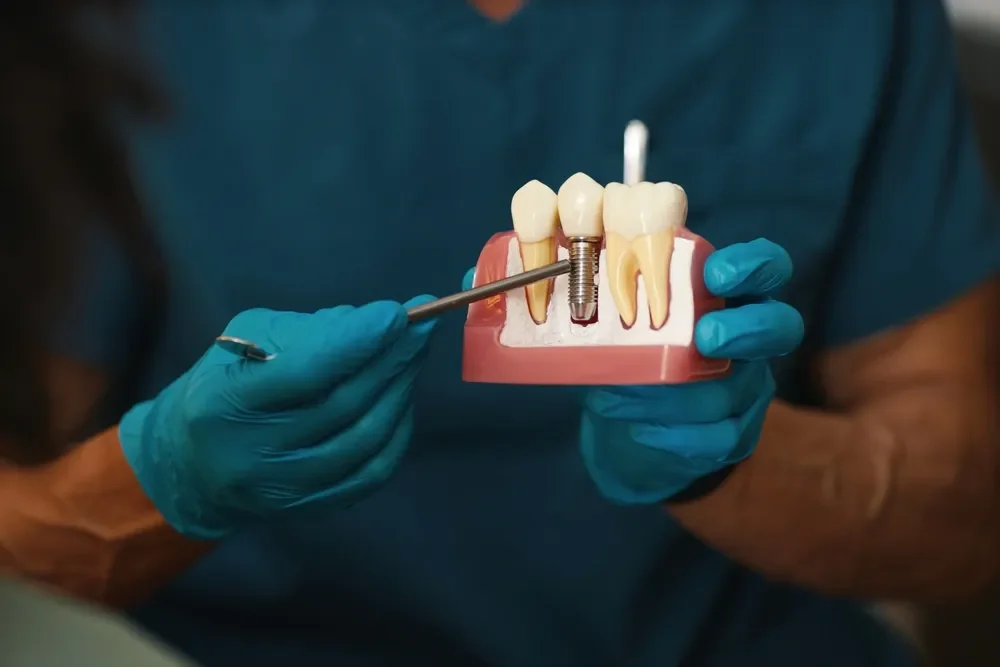
Dental implants are artificial tooth roots made from biocompatible materials, usually titanium. These implants are surgically placed into the jawbone to support replacement teeth such as crowns, bridges, or dentures. Once the implant integrates with the bone, it acts just like a natural tooth root, providing strong and stable support.
Unlike traditional dentures or bridges, dental implants are fixed in place, making them a more permanent and comfortable solution for missing teeth.
How Do Dental Implants Work?
Dental implants work through a process called osseointegration. This means the implant fuses with your jawbone over time, creating a solid foundation for the artificial tooth.
The procedure generally involves three main parts:
- Implant Post – The titanium screw inserted into the jawbone
- Abutment – A connector that holds the crown
- Crown – The visible part that looks like a natural tooth
This structure ensures durability, functionality, and a natural appearance.
Types of Dental Implants
There are different types of dental implants depending on your needs:
- Single Tooth Implants – Used to replace one missing tooth
- Multiple Tooth Implants – Ideal for replacing several missing teeth
- Full Mouth Implants – Replace all teeth in the upper or lower jaw
- All-on-4 Implants – A technique where four implants support a full arch
Your dentist will recommend the best option based on your oral health and budget, especially if you’re looking for an affordable dental implant solution.
Benefits of Dental Implants
Dental implants have become increasingly popular due to their many advantages:
1. Natural Look and Feel
Implants are designed to look and function like real teeth, giving you a confident smile.
2. Long-Lasting Solution
With proper care, dental implants can last for decades, making them a worthwhile investment.
3. Improved Oral Health
They prevent bone loss and help maintain the structure of your face.
4. Better Comfort and Stability
Unlike dentures, implants don’t slip or move while eating or speaking.
5. Easy Maintenance
You can care for dental implants just like natural teeth with regular brushing and flossing.
Who Is a Good Candidate for Dental Implants?
Most people with missing teeth can consider dental implants, but ideal candidates usually have:
- Healthy gums
- Sufficient jawbone density
- Good overall health
- No serious medical conditions affecting healing
Even if you have bone loss, procedures like bone grafting can make implants possible. Many clinics also offer affordable dental implant plans to make treatment accessible.
The Dental Implant Procedure
Understanding the process can help reduce anxiety. Here’s what to expect:
Step 1: Consultation
Your dentist will examine your teeth, take X-rays, and create a treatment plan.
Step 2: Implant Placement
The implant is surgically inserted into the jawbone under local anesthesia.
Step 3: Healing Period
Osseointegration takes a few months, allowing the implant to fuse with the bone.
Step 4: Abutment Placement
A connector is attached to the implant.
Step 5: Crown Placement
A custom-made crown is placed on top, completing the process.
Are Dental Implants Painful?
One of the most common concerns is pain. The procedure is usually done under local anesthesia, so you won’t feel pain during surgery. Some discomfort and swelling may occur afterward, but it can be managed with medication and typically subsides within a few days.
Cost of Dental Implants
The cost of dental implants can vary depending on factors such as:
- Number of implants needed
- Type of implant
- Location of the clinic
- Additional procedures (e.g., bone grafting)
While implants may seem expensive upfront, they are a long-term investment. Many clinics now offer affordable dental implant packages, payment plans, or insurance support to help patients manage costs.
How to Care for Dental Implants
Proper care is essential to ensure the longevity of your implants:
- Brush twice daily
- Floss regularly
- Visit your dentist for routine check-ups
- Avoid smoking, as it can affect healing
- Maintain a healthy diet
With good oral hygiene, your implants can last a lifetime.
Risks and Complications
Although dental implants are generally safe, there are some risks:
- Infection at the implant site
- Implant failure (rare)
- Nerve damage (very uncommon)
- Sinus issues (for upper jaw implants)
Choosing an experienced dentist and following aftercare instructions can significantly reduce these risks.
Dental Implants vs Other Options
When compared to dentures or bridges, dental implants offer superior benefits:
| Feature | Dental Implants | Dentures | Bridges |
|---|---|---|---|
| Durability | Long-lasting | Short-term | Moderate |
| Comfort | High | Medium | Medium |
| Bone Preservation | Yes | No | No |
| Maintenance | Easy | Moderate | Moderate |
Although other options may be cheaper initially, implants provide better value over time—especially when you find an affordable dental implant provider.
Final Thoughts
Dental implants are one of the best solutions for replacing missing teeth. They offer a natural appearance, long-term durability, and improved oral health. While the cost may seem high, many clinics now provide affordable dental implant options, making this advanced treatment accessible to more people.

